You Can’t Buy It

Fall is coming.
Football and other fall sports are gearing up, calendars are filling, and summer routines are giving way to a new season of activity. It’s a natural time to settle back into a rhythm and refocus on where you’re putting your energy.
Just as teams review their performance and adjust their game plans, it’s time to pause and ask: What’s working? What’s not? And what do we need to begin?
(Our next 40 Strategy Growth Workshop speaker, below, creates processes to make this easier).
Keep, Start, and Stop. Keep the actions that are producing results. Start the efforts that will move your priorities forward. Stop the habits, commitments, and activities that consume resources without delivering value.
Before your fall calendar fills up, take a fresh look at your game plan. Are you making room for what matters, or just gearing up for more of the same?
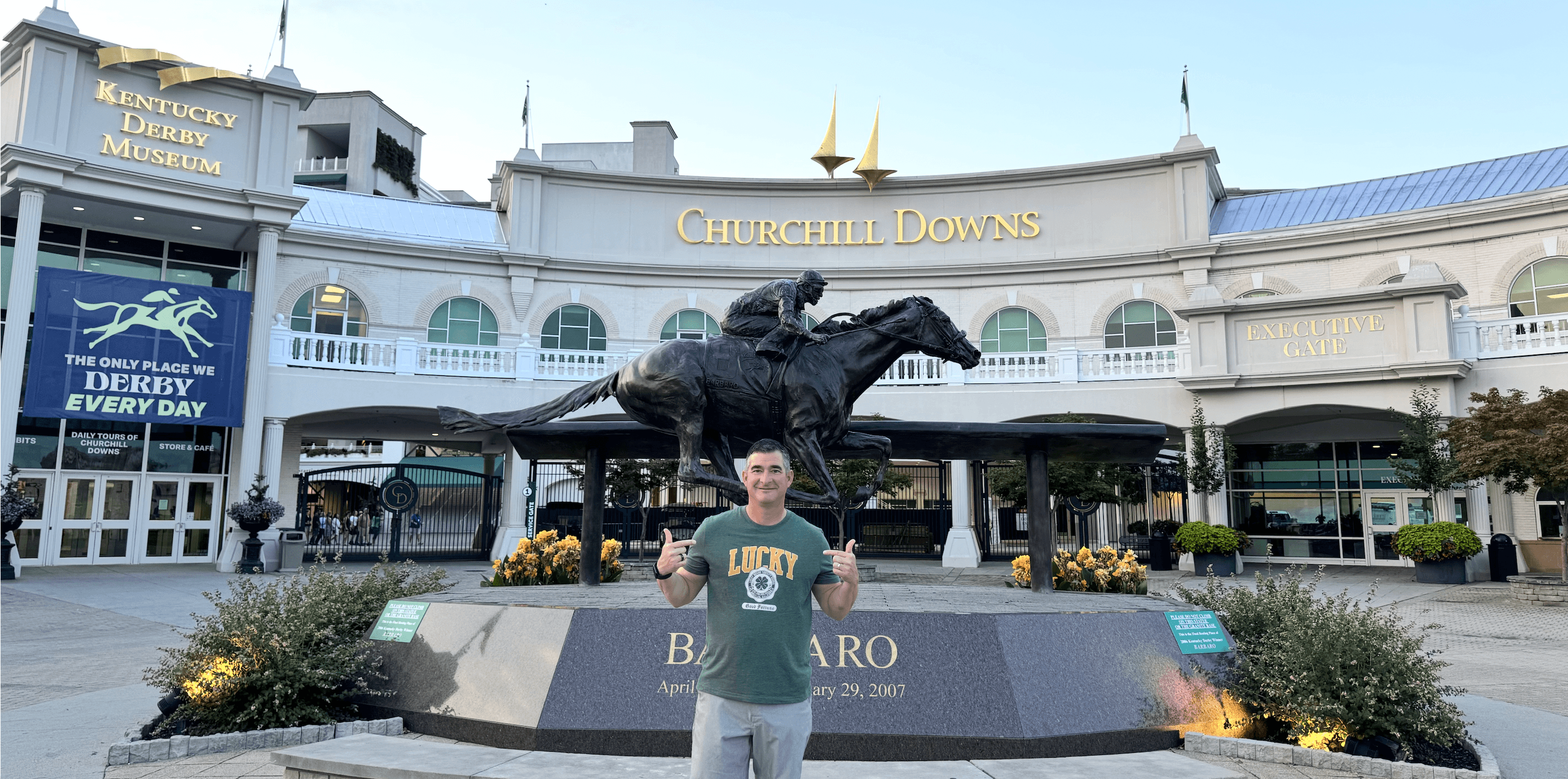
A few weeks ago, I was standing at Churchill Downs, thinking about luck.
That seems appropriate at the home of the Kentucky Derby, where every year millions of people try to figure out which horse will cross the finish line first. In 2026, Golden Tempo won the 152nd Kentucky Derby by a neck at 23-1 odds. About $225 million was wagered on the Derby itself, $340 million on Derby Day, and a record $487 million during Derby Week.
That is a lot of money being placed on the belief that someone can pick a winner.
But during our visit, the most valuable lesson I took away from Churchill Downs had very little to do with betting.
We had the opportunity to go behind the scenes and watch the horses training on the track. Churchill Downs is an incredible operation. Its backside barns can house more than 1,400 horses. Watching the horses train on that famous track gives you a different appreciation for what happens long before Derby Day.
We also experienced it with someone who knows Churchill Downs better than almost anyone.
We met a gentleman who has worked there for more than 50 years. He told us he has done nearly every kind of job there, including cleaning the stables. Today, he has much more responsibility. His knowledge wasn’t handed to him with a title. It was accumulated over five decades around the track, the people and the horses.
As we watched the horses training, I asked him:
“What has changed the most during your 50 years here?”
I expected him to say technology, the facilities, or the money surrounding the Derby.
His answer surprised me.
“Horsemanship.”
Then he added something that stuck with me:
“You can’t buy it.”
There is a tremendous business lesson packed into those four words.
You can buy a horse. You can build a better barn. You can invest in equipment, technology, data and analytics. You can hire experts.
But you cannot simply write a check for judgment, instinct and experience.
Horsemanship is developed through repetition. It comes from watching, listening, making mistakes, recognizing subtle changes, and understanding things that may be invisible to someone without the experience.
Someone who has spent decades around horses may notice what a newcomer does not even know to look for.
That kind of knowledge takes time.
And there was another example of this during Derby weekend.
Golden Tempo may have gone off at 23-1, which makes the result look like a long-shot surprise. But jockey Jose Ortiz had won the Kentucky Oaks the day before aboard Always a Runner. He then came back Saturday and won the Kentucky Derby aboard Golden Tempo, becoming just the ninth jockey in history to sweep the Oaks and Derby in the same year.
At some point, we have to ask: How much of that is really luck?
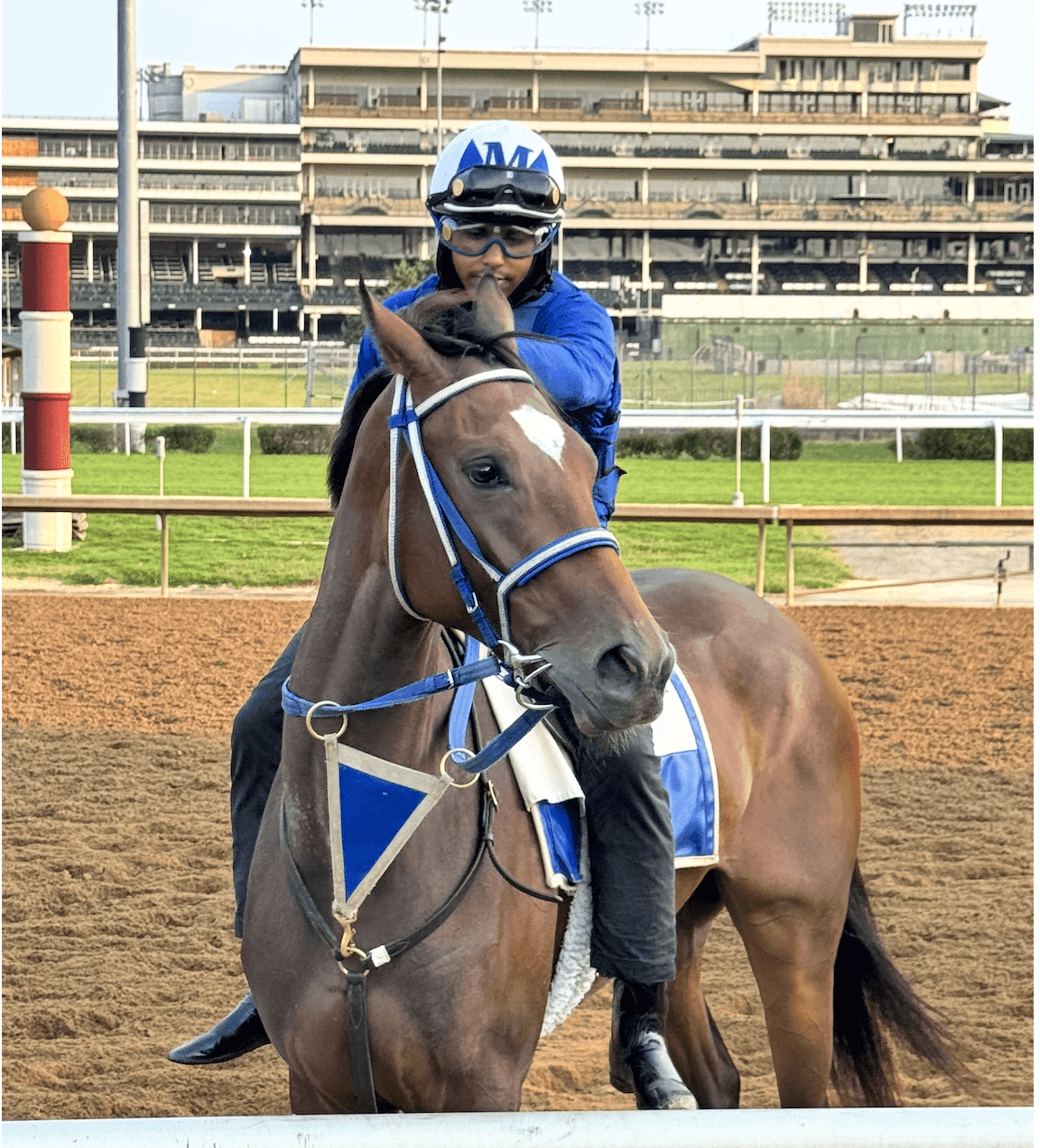
Every race has variables no jockey can control. But winning the two biggest races of the weekend on two different horses looks less like luck and more like preparation, judgment, experience and skill meeting opportunity.
The odds describe the bet.
They don’t describe all the work that created the opportunity.
Business is no different.
We live in an era where we can buy almost anything that promises to make us faster. We can buy better software, hire consultants, outsource departments, acquire competitors, and use AI to analyze information in seconds.
Those things can make us better. But some things remain very difficult to buy.
You can hire talented people, but you cannot instantly buy a great culture. You can purchase a customer list, but you cannot buy the trust behind those relationships. You can buy data, but you cannot buy judgment. You can give someone a leadership title, but you cannot instantly give them years of experience.
Those things have to be developed.
The same thing happens when we look at successful businesses. We see someone land a big customer, make a great acquisition, hire a superstar employee, or suddenly take off and say, “They got lucky.”
Maybe they did.
But luck becomes much more useful when you have spent years preparing for it.
The best business owners continually improve their odds. They develop people. They become better leaders. They build relationships before they need them. They create systems. They make mistakes and learn from them. And they stay in the race long enough for experience to begin working in their favor.
That is what I heard from a man who has spent more than half a century at Churchill Downs.
“You can’t buy it.”
We should invest in technology. We should invest in people. We should use every resource available to make better decisions. But we should also respect the things that simply take time.
Experience. Judgment. Trust. Relationships. Culture. Leadership.
And, apparently, horsemanship.
This Strategy for Saturday, ask yourself:
What is one capability inside your business that you may be trying to buy when you really need to develop it?
Because money can buy you a lot of things.
Greatness usually isn’t one of them.

(Adi Klevit, Speaker)
The 40 Strategy Growth Workshop™ - Phoenix, AZ - November 2nd & 3rd
Adi Klevit is passionate about one thing most founders keep putting off: bringing order to the chaos of a growing business. With more than 30 years as a process consultant, executive, and entrepreneur, she specializes in turning complex operations into simple, repeatable systems that owners and teams can actually run.
As founder and CEO of Business Success Consulting Group, Adi helps companies document their processes, sharpen hiring, and build the operational clarity that lets a business scale without burning out its leader. She's the host of the Systems Simplified podcast, publishes a weekly blog, and has contributed original articles to Inc.com, all built on a simple idea: growth requires structure, not chaos.
Known for making process documentation engaging and genuinely actionable, Adi shares real-world examples and proven strategies that improve efficiency, strengthen teams, and support sustainable growth. Her presentations leave audiences with practical steps they can put to work immediately, not someday, but the moment they're back at their desks.