What Makes You Different?

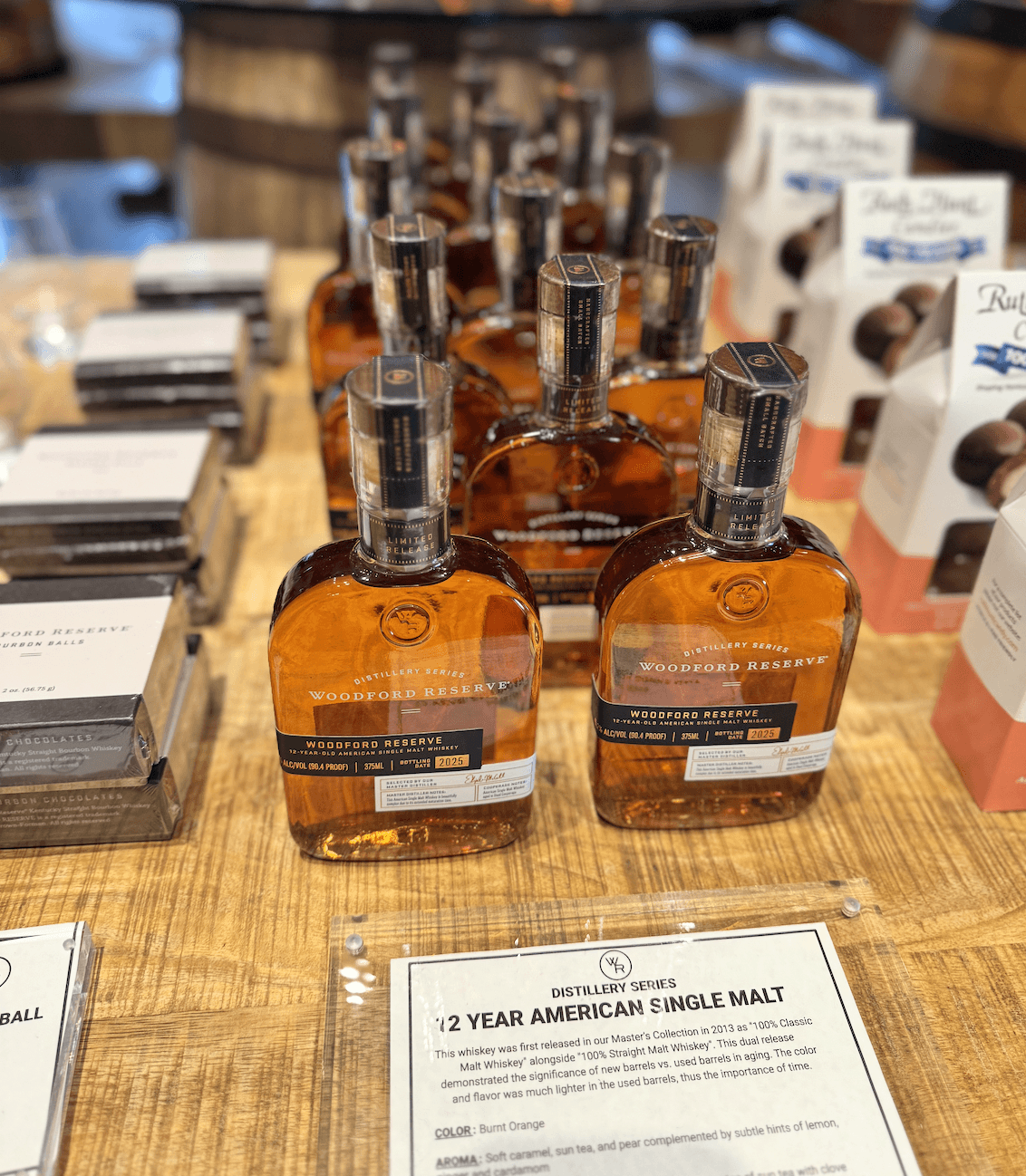
One of the highlights from our week in Kentucky was a tour of Woodford Reserve Distillery in Versailles. I expected to learn more about bourbon. What I did not expect was to walk away thinking so much about business strategy.
Kentucky is bourbon country. Roughly 95% of the world’s bourbon is produced in Kentucky, which means Woodford Reserve is not operating in a category where it is the only game in town. Quite the opposite. It is surrounded by distilleries making products that, at first glance, may seem pretty similar.
That is exactly what made the tour so interesting.
There are very specific rules for what can legally be called bourbon. The mash must contain at least 51% corn, and bourbon must be aged in new, charred oak containers. Woodford’s signature bourbon uses 72% corn, 18% rye and 10% malted barley, and it is bottled at 90.4 proof.
But Woodford has found ways to create distinction within those rules. They produce rye, malt and wheat whiskeys in addition to their traditional bourbon. Their Double Oaked takes the process one step further by placing the mature bourbon into a second new oak barrel, one that is heavily toasted and lightly charred, creating an entirely different flavor profile.
Same industry. Same basic ingredients. Same general rules. Different approach.
Then there is the water. Kentucky benefits from limestone aquifers that naturally filter the water, removing iron while adding minerals that are beneficial to the distilling process. That same limestone geology is also part of what helped make Kentucky famous for another industry we experienced during this trip: thoroughbred horses.
Bourbon and horses are woven into the identity of Kentucky, and that connection is particularly appropriate for Woodford Reserve. Woodford is the Presenting Sponsor of the Kentucky Derby and the Official Bourbon of Churchill Downs. That relationship makes sense when you experience both places. There is a real sense of pride in Kentucky, pride in the craft, and pride in producing something that has become part of the state’s identity.
Perhaps the part of the tour that impressed me most was learning about the barrels.
For bourbon, the new charred oak barrel is not simply part of the marketing story. It is literally part of what makes bourbon bourbon. Woodford uses new American white oak barrels that are toasted and charred before they are filled. Those barrels become part of the flavor, color and character of the final product.
Then comes something many of us struggle with in business.
You wait.
Fermentation takes days. Distillation has its own process. Then the bourbon goes into the barrel, where it may spend years aging before it is ready. You can invest in better equipment. You can improve quality. You can become more efficient. But there are parts of the process that simply cannot be rushed.
Time becomes part of the product.
Whiskey is for Closers
That reminded me of a recent conversation on my Measure Success Podcast about Whiskey for Closers, a podcast by Altezza. We talked about whiskey, but we also talked about relationships, business development, patience, and creating experiences people remember. If you would like to listen, you can find the conversation here: Whiskey for Closers – Measure Success Podcast.
There is something about whiskey that makes for a pretty good business metaphor.
You start with ingredients that plenty of other people have access to. You operate under many of the same rules as your competitors. You may even use similar equipment and follow a process that, from the outside, looks almost identical.
Yet somehow the final products can be remarkably different.
That may have been the biggest business lesson I took away from Woodford.
Most of us operate in crowded markets. There are thousands of accountants, consultants, contractors, manufacturers, restaurants, law firms and service businesses. Your potential customer can probably find ten other companies that technically do what you do within a few minutes.
So the strategic question is not simply, “What do you do?”
The much more important question is, “What makes the way you do it different?”
Woodford did not invent bourbon. Kentucky certainly did not need another distillery. Instead, Woodford created distinction through its process, its grain combinations, its barrels, its location, its different styles of whiskey, its 90.4 proof standard, its connection to the Kentucky Derby, and the story it has built around the brand.
That is differentiation.
And I think there is an important distinction between being different and simply claiming to be better.
You do not have to convince everyone that you are better than every competitor. You need to give the right customers a clear reason to understand why you are different and why that difference matters to them.
Maybe your difference is your people. Maybe it is your process, your speed, your craftsmanship, your consistency, your expertise or the trust you build with customers. Maybe it is the customer experience. Or perhaps it is something incredibly simple that everyone else in your industry could do, but almost nobody does consistently.
Whatever it is, you have to identify it, develop it and communicate it.
Woodford Reserve has grown into a major whiskey brand while operating in one of the most competitive bourbon-producing regions in the world. They did not need to reinvent whiskey.
They needed to make their whiskey distinctive.
The same is true for your business.
You probably do not need to invent an entirely new industry, create a revolutionary product, or find a market with no competitors. Instead, take a hard look at what you already do and ask what you could do differently, what you could become exceptionally good at, and what could become part of your story that customers would actually remember.
This Strategy for Saturday, ask yourself one question:
If hundreds of businesses do essentially what I do, why should someone choose mine?
Do not settle for being another bottle on the shelf.
Find what makes you different. Then make that difference matter.
Steve Caton
The 40 Strategy Growth Workshop™, Phoenix, AZ - Nov 2nd & 3rd
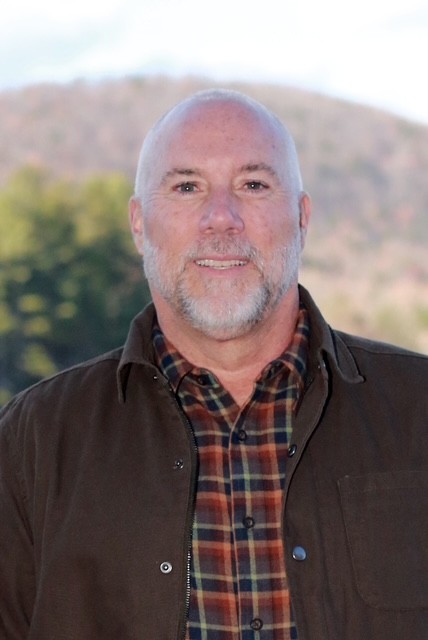
Speaking of Whiskey is for Closers and Altezza Solutions, our next speaker to announce is Steve Caton.
Steve Caton has spent three decades turning emerging companies into market leaders. He's best known for driving Church Community Builder from a boutique software provider into an industry-leading SaaS platform, a run that ended in a $70+ million acquisition in 2019.
Along the way, Steve kept seeing the same thing: brilliant founders trapped in the sales seat instead of leading their companies. In 2020 he founded Altezza Solutions to fix it, pioneering a fractional sales model that helps growth-stage companies break through revenue barriers while giving founders the freedom to focus on building the business. His core belief is blunt: most founders don't have a sales problem, they have a sales dependency problem.
Today Steve helps entrepreneurs scale through an affordable, fractional sales strategy, replacing the hire-fire-repeat cycle with a repeatable sales operating system that produces predictable growth.
When he's not revolutionizing sales strategies, you'll find Steve traveling with his wife Tara, smoking something tasty to lure his adult kids home for dinner, or cheering on his beloved Georgia Bulldogs.


