The Million Dollar CFO: Unlocking Business Value Beyond Profits

What if you could multiply the value of your business before you sell it?
We recently worked with Chris Derecat, CEO of Magma Products, a small company who had private equity investors. We evaluated the top 40 strategies that can increase the value of their business without increasing their profits.
The data was clear there was a CFO in the room, he had de-risked the company by creating policies and procedures, therefore increasing the confidence in the accuracy of the financial information.
As a result, an outside investor would view the acquisition of this company with less risk. Therefore, be willing to invest more money into the company because they would be more confident that the actual financial information is correct.
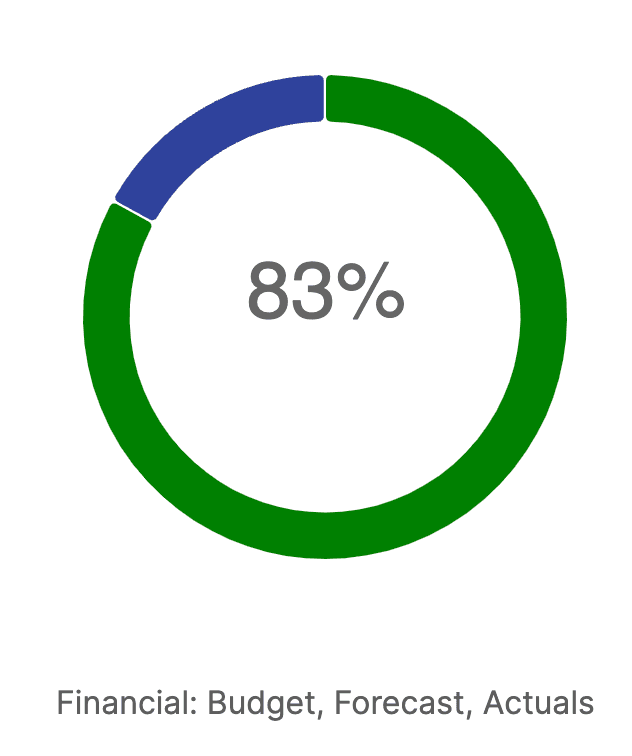
In this particular analysis, the CFO had increased the value of the company by $1 million.

NOW CFO’s before going around asking for the CEO to raise your salary, consider this, that is your job.
But the reality is many small to medium sized organizations don’t have the resources to pay for a full-time CFO.
The understandable decision not to hire for this role, and they’ll typically have a solid accounting manager, or perhaps controller that will help run the finances for the organization.
There are critical pieces that are missing without this key role.
According to Forbes, business decisions are often driven by data, accuracy and reliability of financial statements are paramount. Mistakes in financial reporting can have serious consequences, eroding investor trust, inviting regulatory scrutiny and damaging a company's reputation. Businesses should develop strategies and processes so their financial statements are accurate and reliable.
Does the company do forecasts? Does the company run different financial scenarios? Is there a budget-to-actual comparison? Documented processes and procedures should consistently report to investors, leadership, and employees about the key metrics on how to manage the company properly.
For most small size businesses, the answer to this question is no.
The problem is when they consider selling their business. The investors will look at that gap, and have less confidence. They are not willing to pay as much for the value of that company.
Many companies will bring in a CFO when they’re getting ready to sell. The investment makes sense. They can actually depend on how much earnings are within the company. The type of CFO for that company is able to put into place the policies and procedures mentioned above, which can truly make a significant impact on the selling value.
However, in the meantime, this is not an excuse to not track the most important key force indicators that can help increase the value of the business. There are many ways to solve this that could be done at a fraction of the cost of hiring a traditional CFO.
Therefore, as you are managing a company growing in business, recognize there is a time to bring in a CFO from the outside. Even if they don’t plan to keep that CFO for the next company. They will know that the financials are more likely to be accurate and there’s already a plan in place. But merging it in with the existing company would be a lot less painful.
Between those standards, you might want to consider an alternative method to help improve the value along the way because it’s going to help you understand whether or not you’re making money more effectively. The goal here is not just to create for investors. Here is actually great data and information so your team can track it more effectively so you can make the right actions now rather than waiting later for.
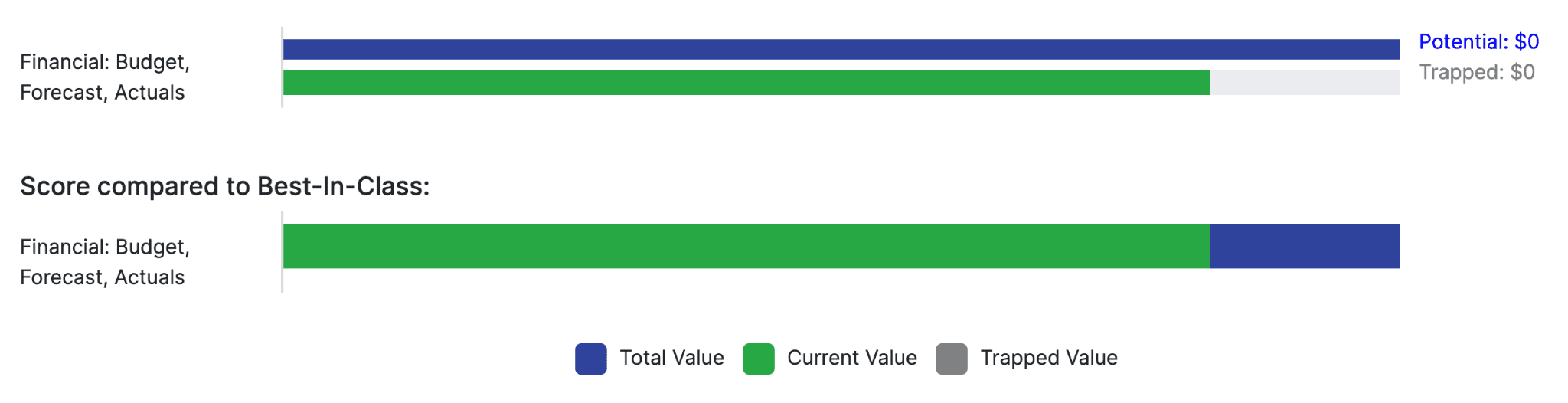
What we discussed is just one of our 40 Strategies when identifying ways to increase the value of your business without increasing profits. If you are interested in taking an assessment about your 40,use this link, and we will follow up with you to have a conversation. Or if you are trying to find an alternative way to help your business, without a CFO, contact us and we can help find you the right partner to help manage the finances of your business.